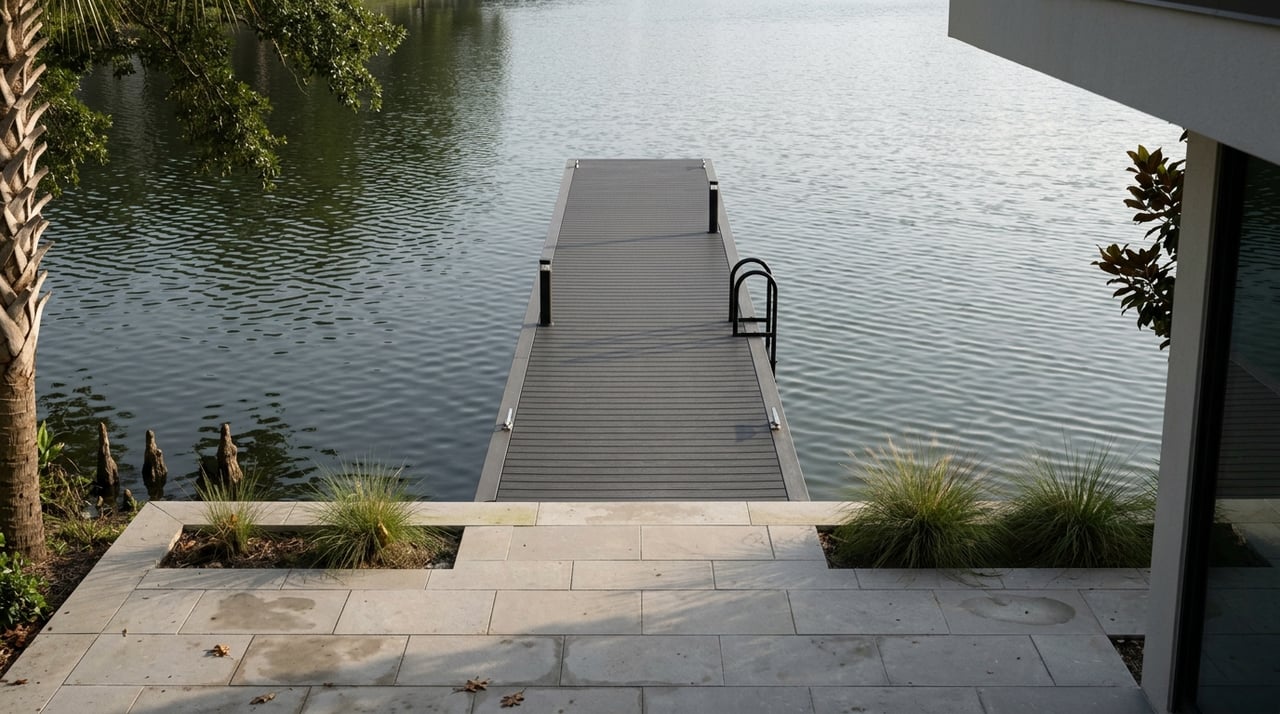
Buying a lakefront home in Winter Park can feel like you are getting the best of Central Florida in one purchase: water views, outdoor living, and a setting that is closely tied to the city’s identity. But in Winter Park, not all lakefront homes offer the same experience. If you want to buy with confidence, you need to look past the word “waterfront” and understand how the specific lake, shoreline rules, and property layout affect daily life. Let’s dive in.
Lake Type Matters First
In Winter Park, the lake itself is a major part of the decision. The city’s lake information shows that different lakes support different uses, and some connect more easily to other lakes than others.
For example, Lake Osceola and Lake Maitland have navigable canals, while Lake Virginia is known for fishing and water skiing. Lake Sue is the uppermost lake and does not have deepwater access to other lakes, and Lake Mizell does not allow wakeboarding-type activity. That means two homes with similar water frontage can offer very different lifestyles.
Before you fall in love with a view, ask what kind of water access the property actually gives you. A home on open water may function very differently from one on a canal or on a quieter lake with more limited boating options.
Open Water vs Canal Frontage
Open-water frontage often gives you a broader view and a different sense of space. Canal frontage may still provide access, but the day-to-day experience can feel more tucked away and may come with different boating limitations.
That distinction matters because value and usability are not always the same thing. A property can technically be on the water but still fall short if it does not match how you want to live.
Match the Lake to Your Lifestyle
If you picture skiing, fishing, cruising, or simply enjoying calmer water, make sure the lake supports that use. Winter Park’s lake pages make it clear that boating style and restrictions vary by lake.
A smart lakefront purchase starts with your priorities. Decide whether you care most about views, boat access, quiet water, chain connectivity, or room for shoreline improvements.
Boating Rules Can Change the Experience
Many buyers assume that owning a lakefront home means easy boating. In Winter Park, boating is active, but it is also regulated.
The city says boats must be under 24 feet and no wider than 8 feet in canals. Vessels also need proper registration and a city user fee, and the Lakes Patrol unit enforces boating laws.
That matters if you already own a boat or plan to buy one after closing. It is worth confirming that your vessel, your route, and your preferred activities fit the rules for that lake and canal system.
Public Launch and Access Details
Winter Park identifies Dinky Dock Park as the main public launch point, with first-come, first-served trailer parking. If the property you are considering does not have the setup you want for launching or storing a boat, public access logistics may become part of your routine.
This is one of those practical details that can shape your enjoyment of the home. A beautiful waterfront address works best when the day-to-day access feels easy.
Dock and Shoreline Rules Deserve Extra Attention
One of the biggest mistakes buyers make is assuming they can change the shoreline later. In Winter Park, docks, boathouses, seawalls, and shoreline alterations are all subject to rules and approvals.
The city requires site plan approval from the Lakes & Waterways Advisory Board before a building permit can be issued for docks and boathouses. Winter Park allows only one dock or boathouse per residential shoreline and limits dock area to 600 square feet.
Dock length is measured from the ordinary high water line, and shoreline vegetation must meet the city’s 50-foot or 50-percent rule. Seawalls and revetments also require shoreline alteration permits.
Why This Affects Your Buying Decision
These rules can directly affect how much usable outdoor space you have and what improvements you can realistically make. Two lakefront lots with similar square footage may live very differently if one has more shoreline constraints.
If a property does not meet vegetation standards, the city says it must be re-vegetated before permits are issued. That is why it is important to verify the current status of the dock, boathouse, seawall, and shoreline vegetation before you assume anything about future plans.
Lot Shape and Frontage Matter More Than You Think
When buyers compare lakefront homes, they often focus on the house first. On waterfront property, the lot can be just as important.
Research on lake lots shows that frontage is a principal value driver, while depth can be more ambiguous. Buyers and appraisers also pay attention to topography, beach quality, zoning, and setbacks.
In practical terms, that means a wider lot with strong frontage may deliver more value and enjoyment than a deeper lot with a narrower water edge. It can also affect your view, your dock options, and how the backyard feels from the house.
Usable Yard Is Not Always Obvious
In Winter Park, shoreline vegetation corridors and dock setbacks can reduce usable yard space. A lot may look generous on paper but function differently once you account for shoreline rules and setback realities.
This is why an on-site review matters so much. You want to understand how the property actually lives, not just how it reads in a listing description.
Views and Water Quality Influence Value
The premium for lakefront living is real, but it is highly property-specific. Research cited in the report shows that the ability to build and use a dock carried a significant premium compared with undockable properties in one lake-community study.
View quality and orientation also matter. A home with a broader, more open view may feel very different from one with a more constrained outlook, even if both are on the same lake.
Water quality plays a role as well. A Florida DEP literature synthesis noted Orange County lake research found that water clarity had a statistically significant effect on home values, with stronger effects close to the waterfront.
What Buyers Should Notice on a Tour
When you visit a lakefront property, look beyond the interior finishes. Notice how open the view feels, how the shoreline presents, and whether the waterfront seems easy to enjoy.
The strongest Winter Park lakefront purchases often combine usable frontage, a practical dock or boathouse setup, a view that feels open, and a lake whose rules fit the owner’s lifestyle. That is where beauty and function tend to align.
Historic Context Can Affect Future Changes
Winter Park’s character is closely tied to its historic architecture. The city says that in historic districts, new construction does not need to copy older styles, but it should complement the district’s scale, roof form, materials, massing, setbacks, and openings.
That can be especially relevant on lakefront properties, where older homes may sit on prime lots and carry architectural significance. The city survey notes that larger lakefront villas from the 1920s and 1930s often used Spanish Colonial or Mediterranean Revival design.
Check Historic Status Early
Before you plan a major exterior renovation, confirm whether the property is in a historic district or is individually designated. Exterior changes may be reviewed under Winter Park’s historic preservation process.
For buyers who love character, this can be a real plus. It also means you should go into the purchase with a clear understanding of the review process for future updates.
Flood and Due Diligence Questions to Ask
Lakefront homes need a more careful due diligence process than many inland properties. One of the first steps is verifying flood risk.
The research report points to FEMA’s Flood Map Service Center as the official source for flood hazard information. It also notes that flood insurance may be required in high-risk zones when the mortgage is government-backed.
You may also want to ask whether an elevation certificate is available, depending on the property and your financing. This is a simple step that can give you clearer expectations before closing.
A Smart Lakefront Due Diligence Checklist
Before you buy, confirm these points:
- The exact lake and whether it offers the boating style you want
- Whether the home has open-water frontage, canal frontage, or limited access
- The status of any dock, boathouse, seawall, or shoreline permits
- Whether shoreline vegetation meets current city requirements
- Flood zone details and whether an elevation certificate exists
- Whether the property is in a historic district or has historic designation
- How the lot’s frontage, setbacks, and shoreline layout affect usable outdoor space
Buy for the Right Kind of Waterfront
The best Winter Park lakefront home is not always the one with the biggest price tag or the most dramatic photo. It is the one that matches how you actually want to live on the water.
If you understand the lake, the lot, the rules, and the long-term possibilities, you can make a much more confident decision. That kind of clarity matters in a market where small differences in location and shoreline setup can create very different ownership experiences.
If you are thinking about buying a lakefront home in Winter Park, working with a local advisor who understands the details can help you avoid surprises and focus on the properties that truly fit your goals. If you want a steady, strategic guide as you compare waterfront options, connect with Omar Cotto.
FAQs
What should you know about Winter Park lakes before buying a lakefront home?
- You should confirm which lake the home is on, what activities that lake supports, whether it connects to other lakes, and whether the property has open-water or canal frontage.
What are the dock rules for Winter Park lakefront homes?
- Winter Park requires site plan approval for docks and boathouses, allows one dock or boathouse per residential shoreline, limits dock area to 600 square feet, and applies shoreline vegetation and permitting rules.
Can you use any boat on a Winter Park lakefront property?
- No. The city says boats in canals must be under 24 feet and no wider than 8 feet, vessels need proper registration and a city user fee, and some lakes have activity-specific restrictions.
Why does lot frontage matter when buying a Winter Park waterfront home?
- Frontage is an important value driver because it can affect your view, dock potential, outdoor enjoyment, and how spacious the waterfront side of the property feels.
Should you check flood risk before buying a lakefront home in Winter Park?
- Yes. You should verify flood hazard information through official flood maps and ask whether an elevation certificate is available when it is relevant to the property.
Can historic rules affect changes to a Winter Park lakefront house?
- Yes. If the property is in a historic district or has historic designation, exterior changes may be subject to Winter Park’s historic preservation review process.